

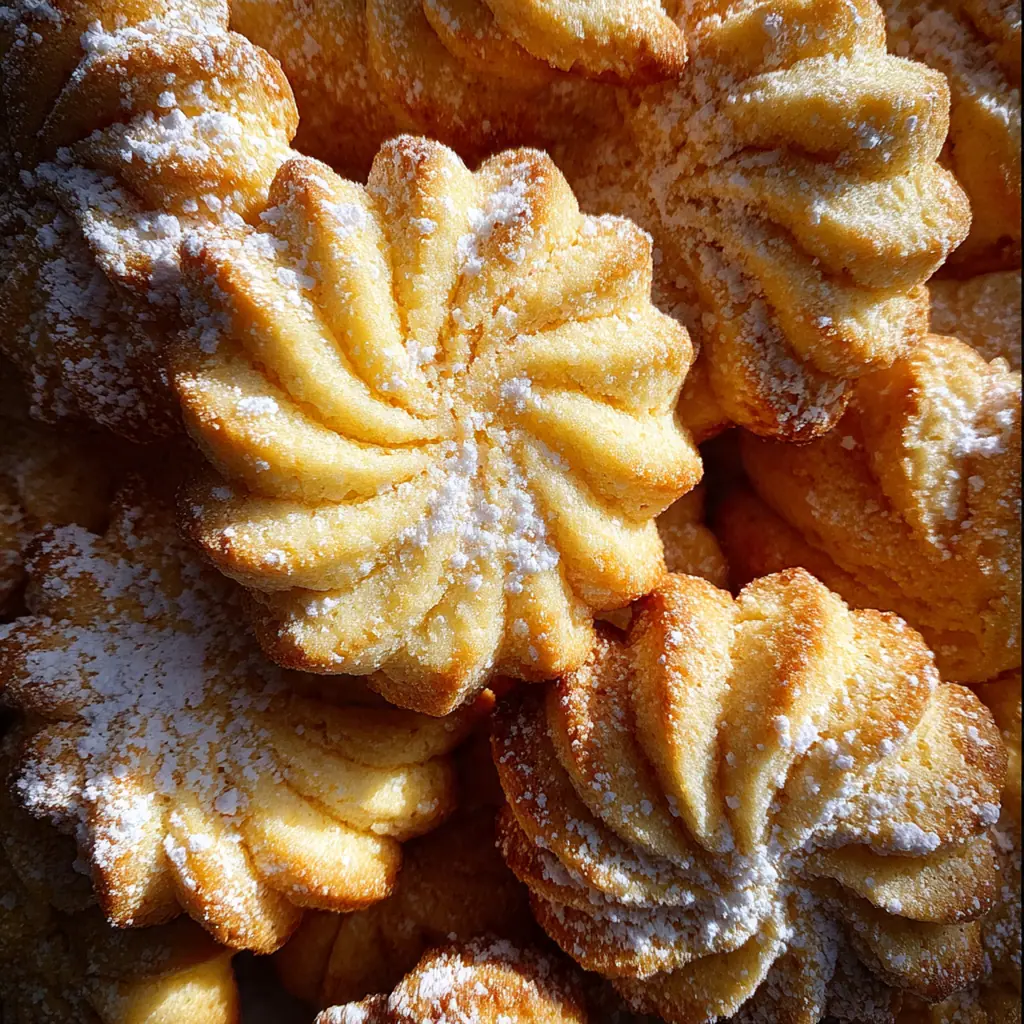
Crispy Scandinavian Rosettes Cookies are one of those magical recipes that turn a few simple ingredients into edible lace. These delicate fried pastries have been a part of Nordic celebrations for generations, and their intricate shapes and melt-in-your-mouth texture make them truly special. I love how the subtle notes of cardamom and lemon zest shine through, creating a cookie that’s crisp, light, and just sweet enough. You’ll find the process of frying them on a special iron to be a fun kitchen project with an impressive payoff.
Why You'll Love This Recipe
- They have a unique texture that’s impossibly crisp yet dissolves on your tongue
- The recipe uses simple pantry ingredients you likely already have
- You can customize the flavor with vanilla, cardamom, or lemon zest
- They fry up quickly so you can make a batch in under an hour
Ingredients You’ll Need
- Large eggs: They provide structure and lift for the delicate batter, creating that signature crispness. Use room temperature eggs for the smoothest mixture.
- Granulated sugar: Just a touch adds a hint of sweetness without overpowering the other flavors. It also helps the rosettes brown beautifully in the hot oil.
- Salt: A small amount enhances all the other flavors and balances the sweetness perfectly. Don’t skip it.
- Vanilla extract: Adds a warm, aromatic background note that complements the citrus and spice. Pure vanilla extract makes a noticeable difference.
- Lemon zest: Its bright, citrusy fragrance lifts the whole cookie and keeps the flavor from feeling heavy. Freshly grated zest is key.
- Whole milk: Creates the liquid base for the thin, pourable batter. Its fat content contributes to a rich flavor and golden color.
- All-purpose flour: Sifted flour is essential for a lump-free, smooth batter that coats the iron evenly. It provides the main structure.
- Ground cardamom: This classic Scandinavian spice gives the rosettes a warm, slightly floral aroma. For the best flavor, use freshly ground if you can.
- Vegetable oil for frying: A neutral oil with a high smoke point is perfect for achieving a crisp, non-greasy result. You’ll need enough for about two inches of depth.
- Confectioners’ sugar for dusting: This optional finish adds a pretty snowy look and a final kiss of sweetness. A fine-mesh sieve gives you the lightest dusting.
How to Make It
Whisk the Wet Ingredients:
Grab a large bowl and whisk together the eggs, sugar, salt, vanilla, and lemon zest. You’re looking for the mixture to become slightly frothy and well combined, which takes about a minute. This initial whisking incorporates air and ensures everything is evenly distributed.
Combine with Milk:
Slowly pour in the milk while continuing to whisk. Go gradually to avoid splashing and to create a smooth, uniform liquid base. The batter will be very thin at this stage, which is exactly what you want.
Incorporate the Dry Ingredients:
Sift the flour and cardamom directly into the bowl. Sifting prevents lumps and evenly disperses the spice. Whisk everything together until you have a perfectly smooth, thin batter with no dry pockets. Let it rest on the counter for 30 minutes; this allows the flour to fully hydrate for a better coating.
Heat the Oil:
While the batter rests, pour the oil into a deep, heavy pot. You need it to be about two inches deep. Attach your candy thermometer and heat the oil to a steady 375°F. Maintaining this temperature is the secret to non-greasy, golden rosettes cookies.
Heat and Dip the Iron:
Attach your chosen rosette iron shape to its handle. Carefully submerge the iron in the hot oil for a full 30 seconds to heat it through. Lift it out, let excess oil drip off, then dip the hot metal into the batter just up to the edge, never over the top. The hot iron creates a seal so the batter cooks and releases easily.
Fry to Golden Brown:
Immediately lower the batter-coated iron back into the hot oil. The rosette will bubble and cook quickly. In about 30 to 45 seconds, it will turn a lovely golden brown and become crisp. Gently shake or use a fork to slide the cookie off the iron onto a paper towel-lined plate.
Repeat and Maintain Temperature:
Reheat the iron in the oil for 15-20 seconds before making each new rosette. This keeps the process consistent. Work in batches, letting the oil return to 375°F between each one. This attention to temperature gives you uniformly perfect cookies every time.
Cool and Finish:
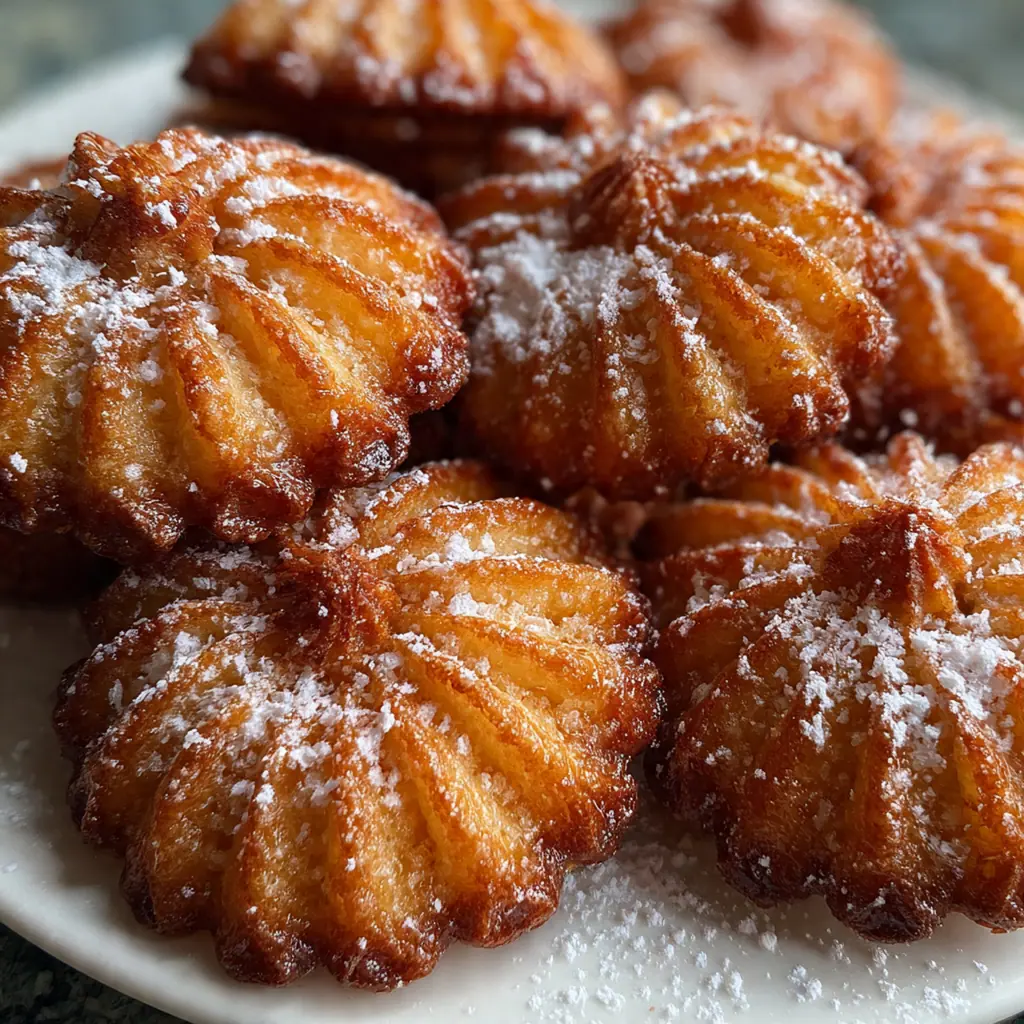
Let the fried rosettes cookies cool completely on a wire rack; they’ll crisp up further as they sit. Once cool, you can dust them generously with confectioners’ sugar for that classic snowy finish. They’re fragile, so handle them with a light touch.
You Must Know
- The oil temperature is non-negotiable for crisp, non-greasy results
- Letting the batter rest is the key to a smooth, even coating
- A thoroughly heated iron ensures the rosette releases cleanly every time
- I always keep my thermometer in the pot to monitor the heat
Storage Tips
Store your completely cooled rosettes cookies in a single layer in an airtight container at room temperature. They’ll stay perfectly crisp for up to a week. If you need to stack them, place a sheet of parchment paper between the layers to protect their delicate shapes. For longer storage, you can freeze them in a sealed container for up to two months; just thaw at room temperature before dusting with sugar and serving.
Ingredient Substitutions
If you’re out of whole milk, an unsweetened plant-based milk like almond or oat milk works well for a dairy-free version. While cardamom is traditional, you could experiment with a pinch of cinnamon or nutmeg for a different warm spice note. In a pinch, the lemon zest can be omitted, though you’ll miss its bright lift; a tiny bit of orange zest could stand in. Just remember, the classic combination of vanilla, cardamom, and lemon is what makes these rosettes cookies taste authentically Scandinavian.
Serving Suggestions
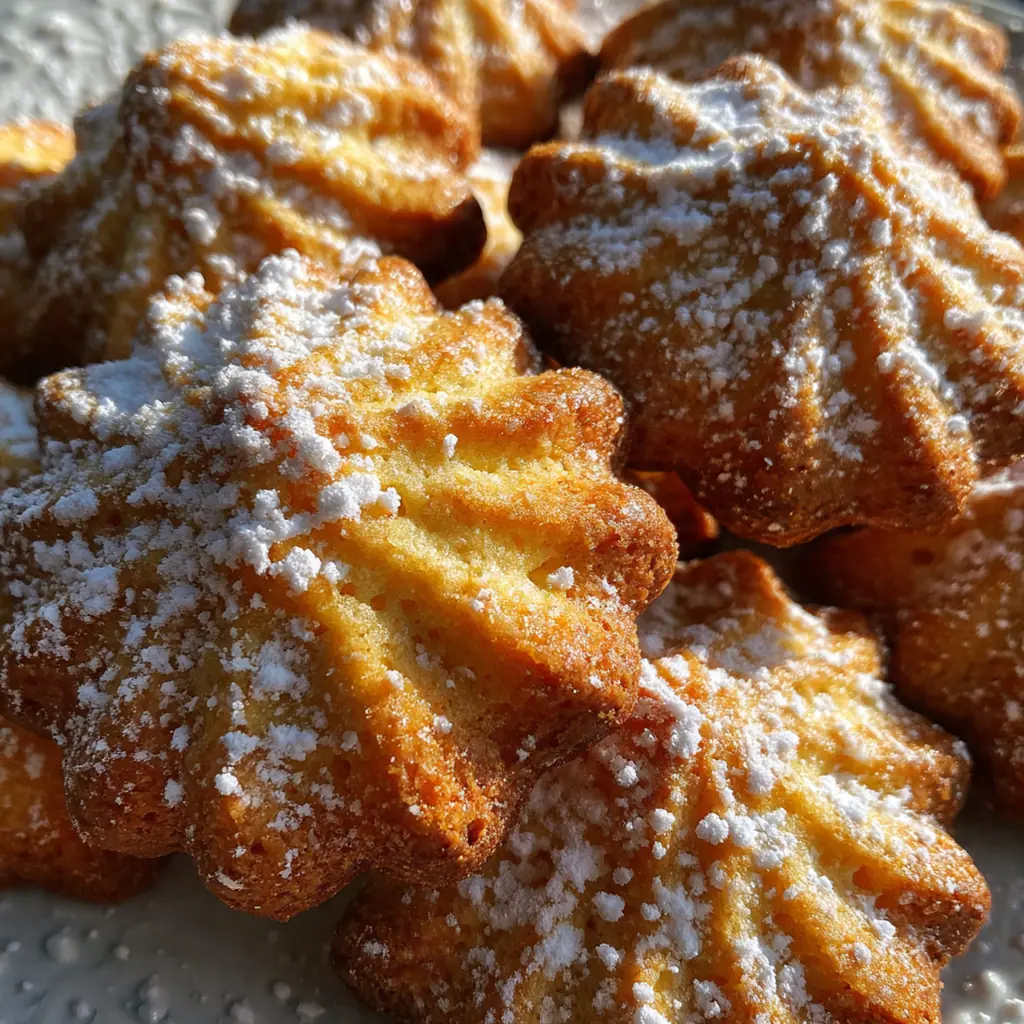
I love serving a pile of these rosettes cookies dusted with powdered sugar alongside a strong cup of coffee or tea – it’s the classic Scandinavian *fika* experience. For a dessert platter, they pair beautifully with a dollop of lingonberry jam, a scoop of vanilla ice cream, or a fruit compote. They also make an elegant addition to a holiday cookie spread, sitting pretty next to pepparkakor and other festive treats. Their light texture means you can enjoy a few without feeling too full.
Cultural Context
Rosettes cookies are a cherished part of Scandinavian holiday traditions, particularly around Christmas and Easter. The special irons used to make them have been passed down through families for generations, with different shapes often carrying their own meanings or being tied to specific festivals. The technique of frying thin batter into delicate shapes is found across Nordic countries, from Sweden’s *struvor* to Norway’s *fattigmenn*. Making them is as much about the ritual and the connection to heritage as it is about the delicious, crisp result you get to enjoy.
Pro Tips
- Use a thermometer and keep that oil at a steady 375°F
- Let the batter rest to hydrate the flour for smoother coating
- Heat the iron fully before each dip for easy release
- Work quickly to maintain consistent oil temperature
- I fry a test rosette first to check my timing and temperature
Frequently Asked Questions
If you don’t have ground cardamom, you can use an equal amount of ground nutmeg or cinnamon for a warm, aromatic note. For a citrus-forward flavor, you could also simply increase the lemon zest to ¾ teaspoon, though this will change the traditional Scandinavian profile.
Absolutely! Their crisp texture makes them excellent for making ahead. Once completely cooled, store them in an airtight container at room temperature for up to a week. Avoid refrigeration, as it can introduce moisture and make them soggy.
A neutral oil with a high smoke point, like the vegetable oil listed, is ideal. You can also use canola, peanut, or sunflower oil. The key is using a fresh, clean batch of oil for frying to ensure your delicate cookies don’t pick up any off-flavors.
Watch for visual cues. The batter will sizzle and bubble when it hits the hot oil. Fry until the bubbling mostly stops and the edges turn a deep golden brown, usually 30-45 seconds per side. The cookie should be firm and crisp, not soft or pale.
Rosettes are often served simply with a dusting of powdered sugar. For a traditional Scandinavian spread, pair them with other baked goods like pepparkakor (ginger cookies) or saffron buns. They’re perfect with coffee, tea, or a glass of cold milk.