

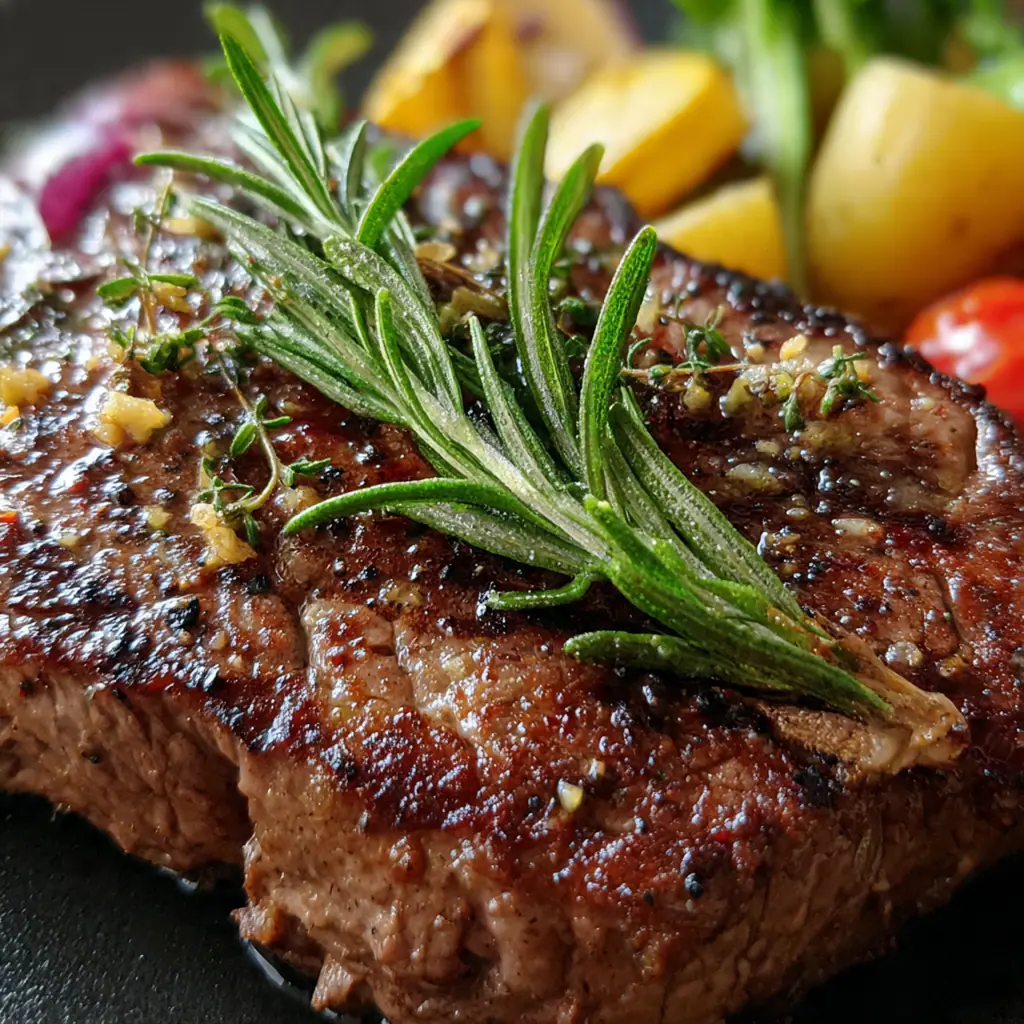
Mastering the perfect beef steak at home is easier than you think, and it all starts with a beautiful ribeye. This pan-seared steak is a classic American dinner that turns a few simple ingredients into something truly special. I love how the high heat from a cast iron skillet creates an incredible crust, while a quick garlic herb butter bath makes it taste like a steakhouse splurge. It’s the kind of meal that feels celebratory but comes together in under 30 minutes of active time.
Why You'll Love This Recipe
- You get a juicy steak with a perfect seared crust every time
- It’s ready in under 30 minutes of active hands-on work
- The garlic herb butter adds a rich, aromatic finish that’s impossible to beat
- It uses simple pantry staples for a restaurant-quality result
- Honestly, it’s my go-to for a special weeknight dinner
Ingredients You’ll Need
- Ribeye steaks: This cut is the king of beef steak for good reason, boasting incredible marbling that melts during cooking to create unmatched juiciness and rich, beefy flavor. Look for steaks with even, white fat distribution and a bright red color.
- Kosher salt: Its coarse texture adheres beautifully to the surface of the steak and draws out moisture to help form that essential crust during searing. It seasons deeply without being overly salty.
- Freshly ground black pepper: Freshly cracked pepper provides a warm, aromatic spice that complements the beef perfectly, toasting in the hot pan to release its oils and become more complex.
- Olive oil: A neutral oil with a high smoke point is crucial for the initial sear, creating a slick surface in the hot skillet to prevent sticking and promote even browning.
- Unsalted butter: This is the base of your finishing sauce, melting into a nutty, foaming liquid that you’ll use to baste the steak, carrying the flavors of garlic and herbs into every bite.
- Garlic cloves: Fresh minced garlic becomes fragrant and slightly sweet when sizzled in the butter, infusing the entire dish with its unmistakable aroma and flavor.
- Fresh thyme: The earthy, slightly floral notes of thyme are a classic pairing with beef, and the whole sprigs release their oils slowly during the basting process.
- Fresh rosemary: This robust herb adds a piney, woody fragrance that cuts through the richness of the steak and butter, creating a more complex flavor profile.
- Fresh parsley: While optional, a sprinkle of bright, fresh parsley at the end adds a pop of color and a clean, grassy note that lightens the whole dish.
- Flaky sea salt: A final pinch of flaky salt on the sliced steak provides delightful bursts of salinity and a subtle crunch that elevates each bite.
How to Make It
Bring Steaks to Room Temperature:
Take your steaks out of the fridge and let them sit on the counter for about 30 minutes. This step is non-negotiable because starting with a cold center means you’ll end up with an overcooked exterior before the inside is done. Patience here ensures beautifully even cooking from edge to edge.
Pat Dry and Season:
Use paper towels to pat the steaks completely dry on all sides. Any surface moisture will steam the meat instead of letting it sear, preventing that gorgeous crust you’re after. Then, season both sides very generously with the kosher salt and black pepper, pressing it in lightly.
Heat the Skillet:
Place your cast iron skillet over medium-high heat and let it preheat for a solid 5 minutes. You want the pan screaming hot—a drop of water should skitter and evaporate instantly. Add the olive oil and swirl it to coat the bottom just before adding the steak.
Sear the First Side:
Carefully lay the steaks in the hot skillet; you should hear a confident, immediate sizzle. Don’t touch them! Let them cook undisturbed for 4 to 5 minutes to develop a deep, mahogany-brown crust. Peeking or moving them too soon will tear that crust and release precious juices.
Flip and Cook to Temperature:
Use tongs to flip the steaks to the other side. Cook for another 4 to 5 minutes for medium-rare. This is where a meat thermometer is your best friend—aim for 130°F in the thickest part. Adjust the time up or down based on your desired doneness.
Baste with Garlic Herb Butter:
Reduce the heat to medium and add the butter, minced garlic, thyme, and rosemary to the skillet. As the butter melts and foams, tilt the pan slightly and use a spoon to continuously baste the steaks with the fragrant butter for a full 2 minutes. This coats the beef in incredible flavor.
Rest the Steak:
Transfer the steaks to a cutting board or a warm plate and let them rest for 10 full minutes. I know it’s hard to wait, but this allows the juices that rushed to the center during cooking to redistribute throughout the meat. If you skip this, all those juices will end up on your plate.
Slice and Serve:
Find the direction of the muscle fibers (the grain) on your beef steak and slice cleanly against it with a sharp knife. This cuts through the muscle fibers, making each piece incredibly tender. Garnish with chopped parsley and a pinch of flaky sea salt, then serve immediately while hot.
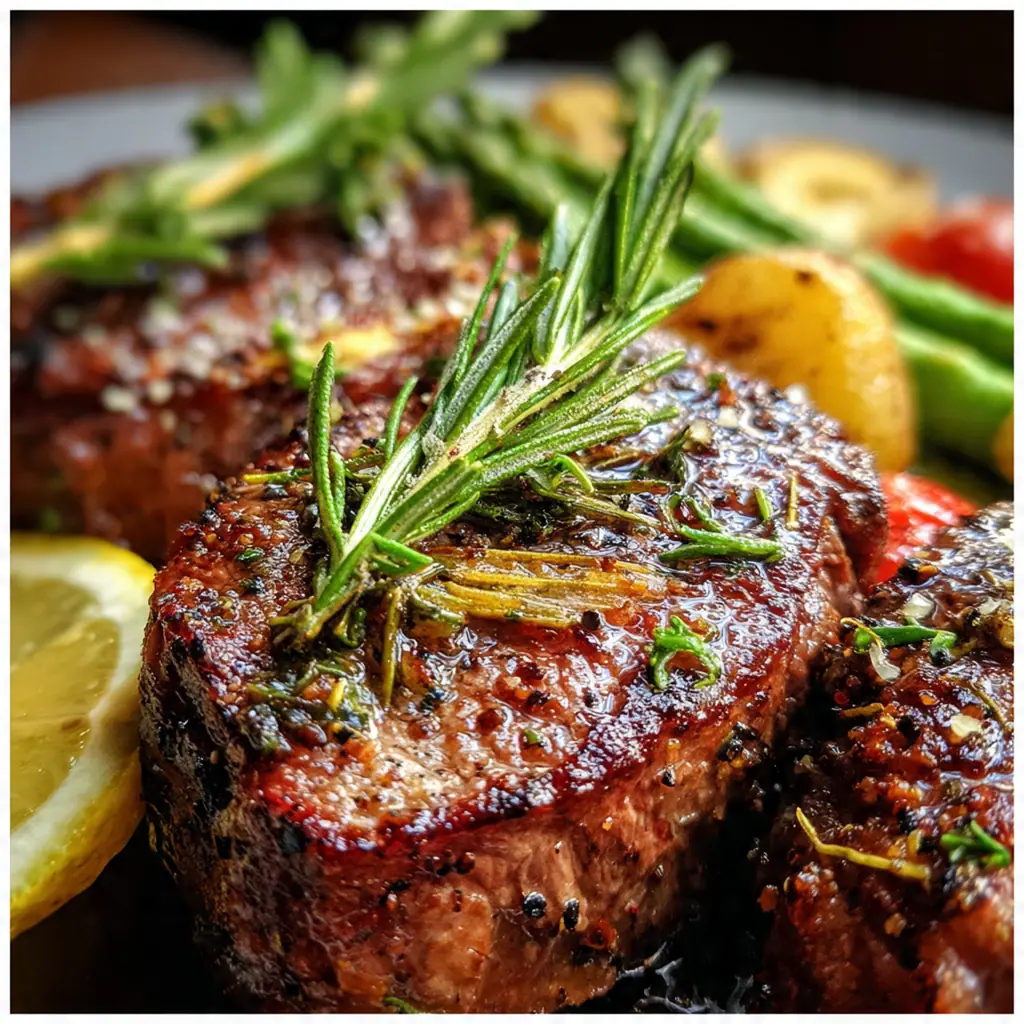
You Must Know
- Patting the steaks dry is the secret to a great crust
- Letting the steak rest after cooking keeps it juicy
- Use a meat thermometer for perfect doneness every single time
- A screaming hot skillet is non-negotiable
- I never make steak without my trusty cast iron pan
Storage Tips
If you miraculously have leftovers, let the steak cool to room temperature before storing it in an airtight container in the fridge, where it’ll keep for up to three days. To reheat, I gently warm slices in a skillet over very low heat with a tiny splash of water or broth to create steam, just until warmed through—this keeps it from overcooking and getting tough. You can also enjoy leftover steak cold, thinly sliced over a salad; it’s fantastic that way too.
Ingredient Substitutions
If you need a dairy-free version, swap the butter for an equal amount of ghee or just use more olive oil for the basting step—the flavor will be different but still fantastic. Don’t have fresh thyme and rosemary? You can use a teaspoon each of dried herbs, but add them directly to the butter at the start so they have time to rehydrate and infuse. For the oil, any high-heat neutral oil like avocado or grapeseed works just as well as olive oil for that initial sear.
Serving Suggestions
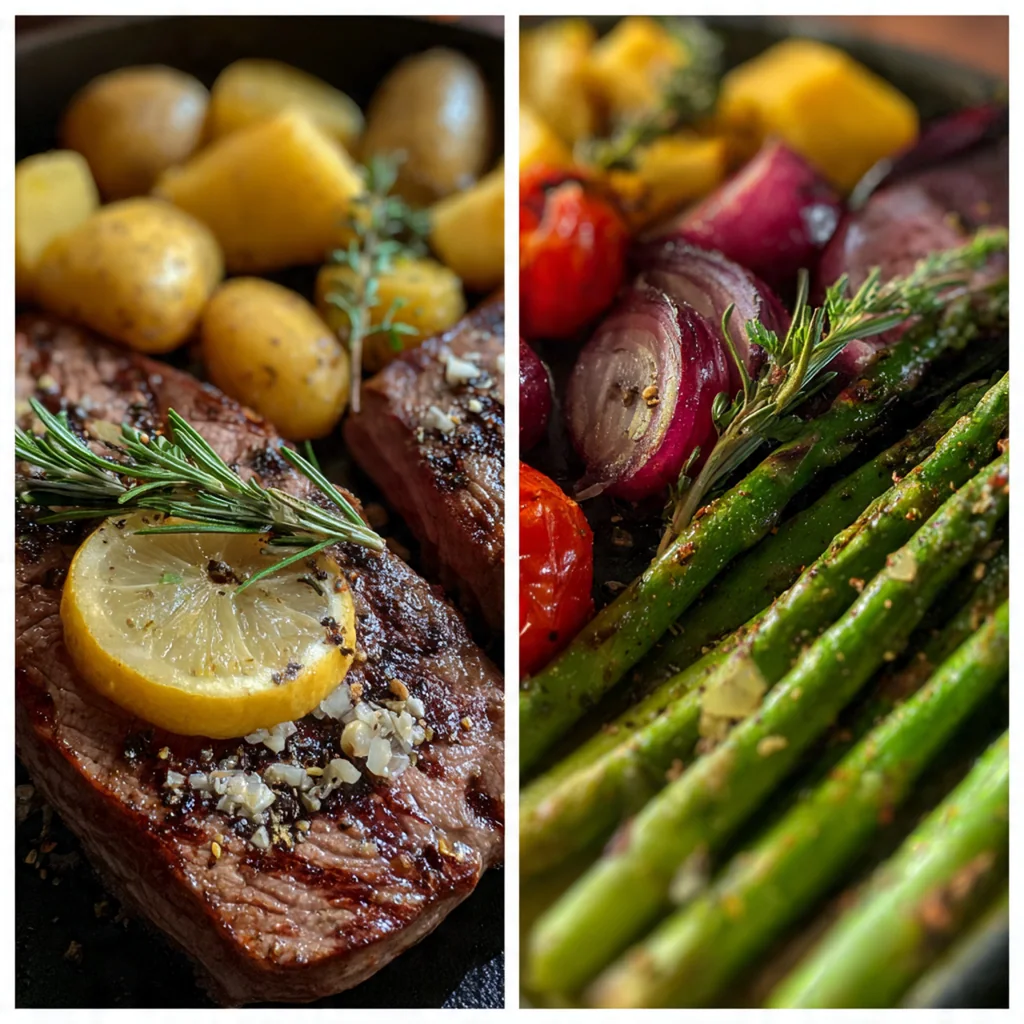
This beef steak is a hearty centerpiece, so I love to pair it with sides that balance its richness. Creamy mashed potatoes or crispy roasted potatoes are classic for soaking up the garlic butter, while simple roasted asparagus or broccoli adds a fresh, green element. A bright arugula salad with a lemony vinaigrette cuts through the fat beautifully, and a full-bodied red wine like a Cabernet Sauvignon completes the restaurant-at-home experience perfectly.
Cultural Context
This method of cooking a beef steak—searing it in a blazing hot cast iron pan and finishing it with a butter baste—is pure American steakhouse technique, perfected in kitchens where the goal is a spectacular crust and a juicy, pink interior. It celebrates the quality of the meat itself, with the butter and herbs acting as luxurious enhancements rather than masks. You’ll find this straightforward, ingredient-focused approach in classic dining rooms across the country, where the sizzle of the skillet is part of the dinner show.
Pro Tips
- Invest in an instant-read meat thermometer for foolproof results
- Don’t crowd the pan; cook in batches if needed
- Always slice your steak against the grain for maximum tenderness
- Take the time to let your skillet get properly hot before adding the steak
- My trick is to use tongs and a spoon for the best basting action
Frequently Asked Questions
A thick-cut ribeye steak, about 1.5 inches thick, is ideal for this beef steak. The ribeye’s marbling ensures it stays incredibly juicy and flavorful when seared in a hot cast-iron skillet, creating that perfect restaurant-quality crust.
For the best results, serve this pan-seared beef steak immediately. However, you can prepare the garlic herb butter compound ahead of time and keep it chilled. You can also bring the seasoned steaks to room temperature 30 minutes before cooking for more even searing.
If you don’t have fresh herbs, you can use 1 teaspoon of dried thyme and ½ teaspoon of dried rosemary. Add the dried herbs directly to the butter in the pan. For the best flavor in your beef steak, fresh is always preferred.
Use an instant-read thermometer for accuracy. For medium-rare, aim for 130-135°F (54-57°C) after resting. The steak will have a firm crust and will release juices when you press it. Remember, it continues to cook while resting under foil.
This classic American beef steak pairs wonderfully with creamy mashed potatoes, crispy roasted vegetables, or a simple green salad. The rich, garlicky butter from the pan also makes an excellent sauce for drizzling over your sides.