

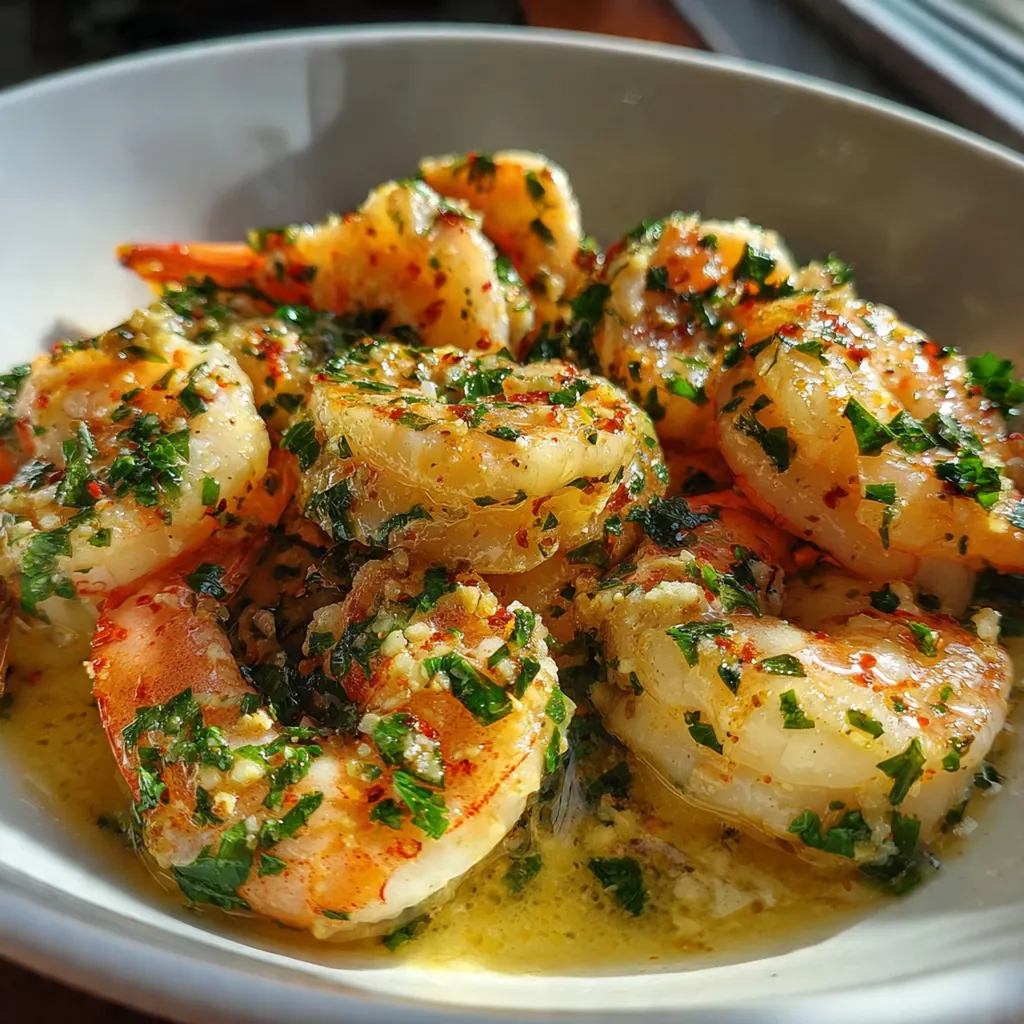
Homemade Shrimp Butter is a French classic that turns simple meals into something extraordinary. This compound butter blends fresh shrimp with garlic, shallots, and lemon for a rich, versatile spread. I keep a log in my freezer for quick weeknight upgrades or last-minute entertaining. It’s surprisingly easy to make and elevates everything from bread to steak with its seafood flavor. The combination of fresh ingredients creates a depth that store-bought versions just can’t match.
Why You'll Love This Recipe
- Turns basic meals into gourmet experiences in minutes
- Ideal for impressing guests or easy family dinners
- Freezes beautifully for always-ready flavor boosts
- Bursting with fresh shrimp and herby aromatics
- My secret weapon for upgrading everything from pasta to veggies
Ingredients You’ll Need
- Large raw shrimp: use fresh or frozen-thawed shrimp for the best sweet seafood flavor avoid pre-cooked as it won’t impart the same depth
- Unsalted butter: allows you to control the saltiness while providing a rich creamy base for the spread
- Garlic: minced finely to distribute its aromatic punch evenly without overwhelming the delicate shrimp
- Shallot: chopped small for a subtle sweet onion note that blends seamlessly into the butter
- Dry white wine: optional but deglazes the pan adding a layer of acidic brightness that cuts through the richness
- Fresh parsley: adds a pop of color and fresh herbal flavor that lightens the whole mixture
- Fresh lemon juice: use freshly squeezed for zesty acidity that balances the butter and enhances the shrimp
- Cayenne pepper: just a pinch gives a gentle warmth that lingers without making the butter spicy
- Kosher salt: its coarse grains season evenly and bring out all the other flavors in the blend
- Freshly ground black pepper: freshly cracked pepper adds a sharp aromatic bite that complements the seafood
How to Make It
Cook the Shrimp:
Melt a couple tablespoons of butter in your skillet over medium heat. Add the shrimp and cook for just a few minutes per side until they turn pink and opaque. You don’t want to overcook them here since they’ll be chopped and mixed later. Transfer them to a plate to cool completely – this prevents the butter from melting when you combine everything.
Sauté Aromatics:
Using the same skillet, add the garlic and shallot to the remaining pan juices. Sauté them for a minute or two until they’re fragrant and softened. This step builds the flavor base without needing to wash the pan between tasks.
Deglaze with Wine:
If you’re using white wine, pour it into the skillet now. Scrape up any delicious browned bits from the shrimp with your spatula – that’s pure flavor. Let it cook for about a minute until it reduces by half, then take the skillet off the heat and let this mixture cool down too.
Chop and Combine:
Once the shrimp and aromatics are cool, chop the shrimp into small pieces. In a large bowl, combine the remaining softened butter, chopped shrimp, cooled garlic-shallot mix, parsley, lemon juice, cayenne, salt, and pepper. Mix everything together until it’s fully incorporated and uniform.
Season and Adjust:
This is your chance to make it perfect. Taste a small bit of the mixture and see if it needs more salt, pepper, or a extra squeeze of lemon juice. I always adjust at this stage because once it’s chilled, you can’t fix the seasoning easily.
Shape the Log:
Lay a sheet of parchment paper or plastic wrap on your counter. Spoon the shrimp butter mixture onto the paper and use it to shape the butter into a log about two inches in diameter. Rolling it tightly now means neat slices later.
Chill and Set:
Wrap the log tightly in the paper, twisting the ends to secure it. Pop it in the fridge for at least two hours so it firms up. This chilling time is crucial for the flavors to meld and for the butter to become sliceable.
Slice and Serve:
When you’re ready, unwrap the log and slice it into half-inch rounds. Use them immediately on your dish of choice, or store the rest as directed. I love seeing those little shrimp pieces in every slice.
You Must Know
- Always use unsalted butter to control the salt level
- Let everything cool completely before mixing with the butter
- Taste and adjust seasonings before you shape the log
- Freezing in pre-sliced rounds makes portioning a breeze
- My family requests this on every steak night
Storage Tips
Store your homemade shrimp butter wrapped tightly in the fridge where it’ll stay fresh for up to five days – just make sure it’s in an airtight container or well-wrapped in parchment. For longer keeping, freeze the whole log or pre-sliced rounds for up to three months; I slice mine before freezing so I can grab just what I need. Thaw it overnight in the refrigerator before using, and never at room temperature to avoid the butter separating. It holds up beautifully and tastes just as vibrant after thawing.
Ingredient Substitutions
If you don’t have fresh shrimp, high-quality frozen shrimp that’s been thawed works just as well. For the shallot, a small red or yellow onion minced finely can stand in, though the flavor will be sharper. No white wine? A splash of chicken broth or even just a bit more lemon juice will do the trick. In place of fresh parsley, chives or dill add a different but lovely herbal note. And if you’re out of cayenne, a dash of smoked paprika gives a gentle warmth without the heat.
Serving Suggestions
I love spreading rounds of this shrimp butter on warm crusty bread or crackers for an instant appetizer. Melt a slice over a grilled steak or piece of fish right after it comes off the heat – the butter melts into a luxurious sauce. Toss it with hot pasta for a quick seafood alfredo, or dollop it on steamed vegetables like asparagus or green beans. It even transforms simple scrambled eggs or a baked potato. The possibilities are endless, and it makes weeknight meals feel special.
Cultural Context
Compound butters, or beurres composés, are a cornerstone of French culinary tradition, used to add instant richness and flavor to dishes without much effort. Homemade shrimp butter falls into this category, originating from coastal regions like Brittany where fresh seafood is abundant. French chefs often create these butters to enhance simple proteins like steak or fish, reflecting a philosophy that a few quality ingredients can elevate a meal dramatically. This particular blend with shrimp, garlic, and herbs showcases the French appreciation for balancing fresh, bright flavors with indulgent butter. I learned this technique from a friend in Provence, and it’s become my go-to for impromptu entertaining. It’s a simple yet sophisticated way to capture the essence of French cooking at home.
Pro Tips
- Use a food processor for a smoother spread if you prefer
- Cool all ingredients fully to keep the butter from weeping
- Taste and tweak seasonings while the mixture is still soft
- Freeze in individual slices for grab-and-go convenience
- I always make a double batch to keep on hand
Frequently Asked Questions
For the richest flavor, use fresh, raw large shrimp that you peel and devein yourself. Their natural juices are key. Avoid pre-cooked shrimp, as they won’t release the same savory fond when sautéed, and frozen raw shrimp (thawed first) work perfectly if fresh isn’t available.
Absolutely, that’s one of its best features! Once blended, you can form it into a log, wrap it tightly in parchment paper, and freeze it for up to 3 months. This makes it an ideal make-ahead gourmet staple for effortless entertaining.
The white wine adds a subtle acidity that brightens the flavor, but you can easily omit it. For a similar effect, you could add an extra teaspoon of fresh lemon juice or a splash of seafood or chicken broth to deglaze the pan and capture all the delicious browned bits.
Cook the shrimp in butter just until they turn completely opaque and pink, which takes about 2-3 minutes per side over medium heat. They’ll continue to cook slightly when blended, so it’s crucial not to overcook them now to keep the texture tender.
This butter is incredibly versatile. Slice a pat onto a sizzling steak or grilled fish fillet. Melt it over roasted vegetables or warm, crusty bread. For a classic French touch, use it to finish seafood pasta or to top baked oysters. It instantly elevates any simple dish.