

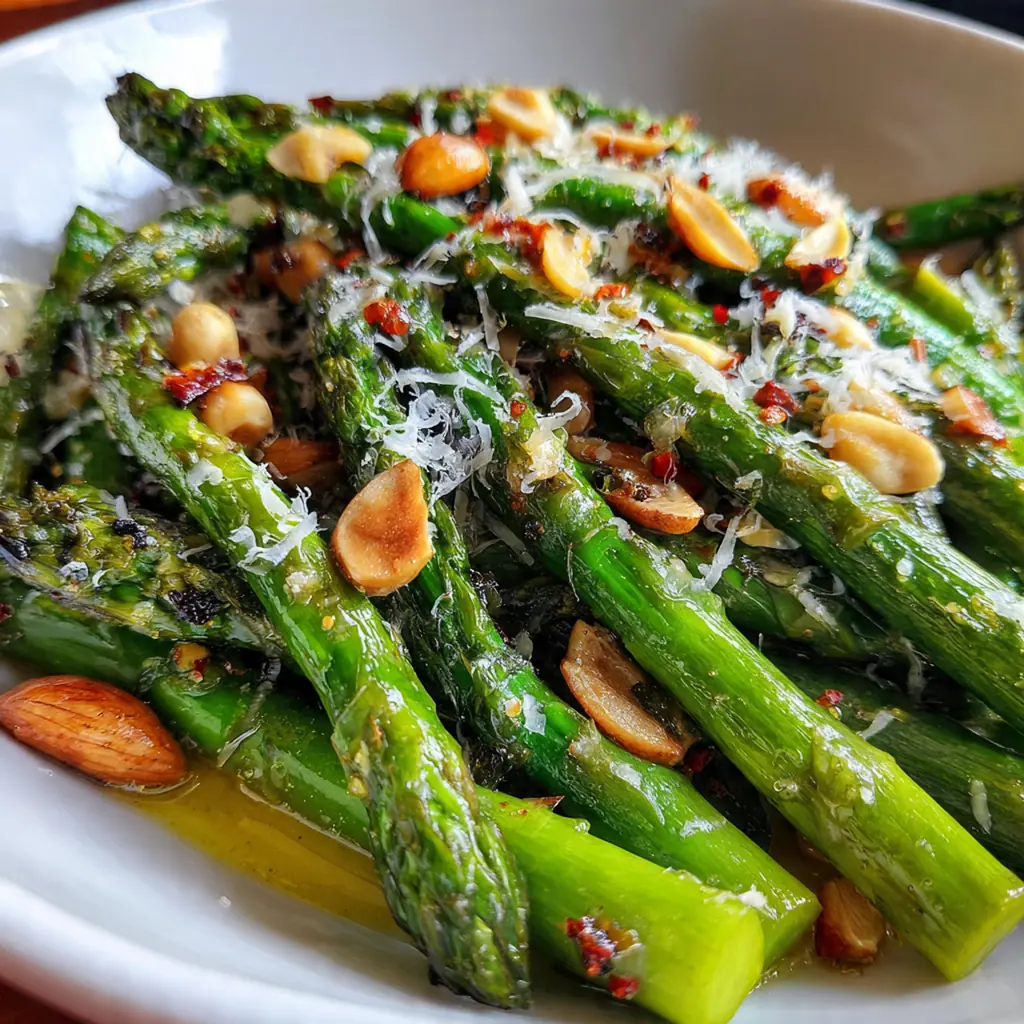
This creamy asparagus recipe is the ultimate spring dinner, turning simple ingredients into a comforting yet elegant Italian classic. Our asparagus risotto celebrates the season’s best, where each spoonful balances rich Parmesan, bright lemon, and tender spears. The slow stirring process creates a luxuriously creamy texture that feels special without being fussy. It’s a one-pot wonder that always impresses company but is simple enough for a weeknight craving.
Why You'll Love This Recipe
- Creamy comfort meets a vibrant burst of fresh lemon flavor
- Showcases beautiful seasonal asparagus at its absolute peak
- It feels fancy enough for guests but comes together on a weeknight
- You only need one pot for the entire cooking process
- My family requests this asparagus recipe as soon as the first spears hit the market
Ingredients You’ll Need
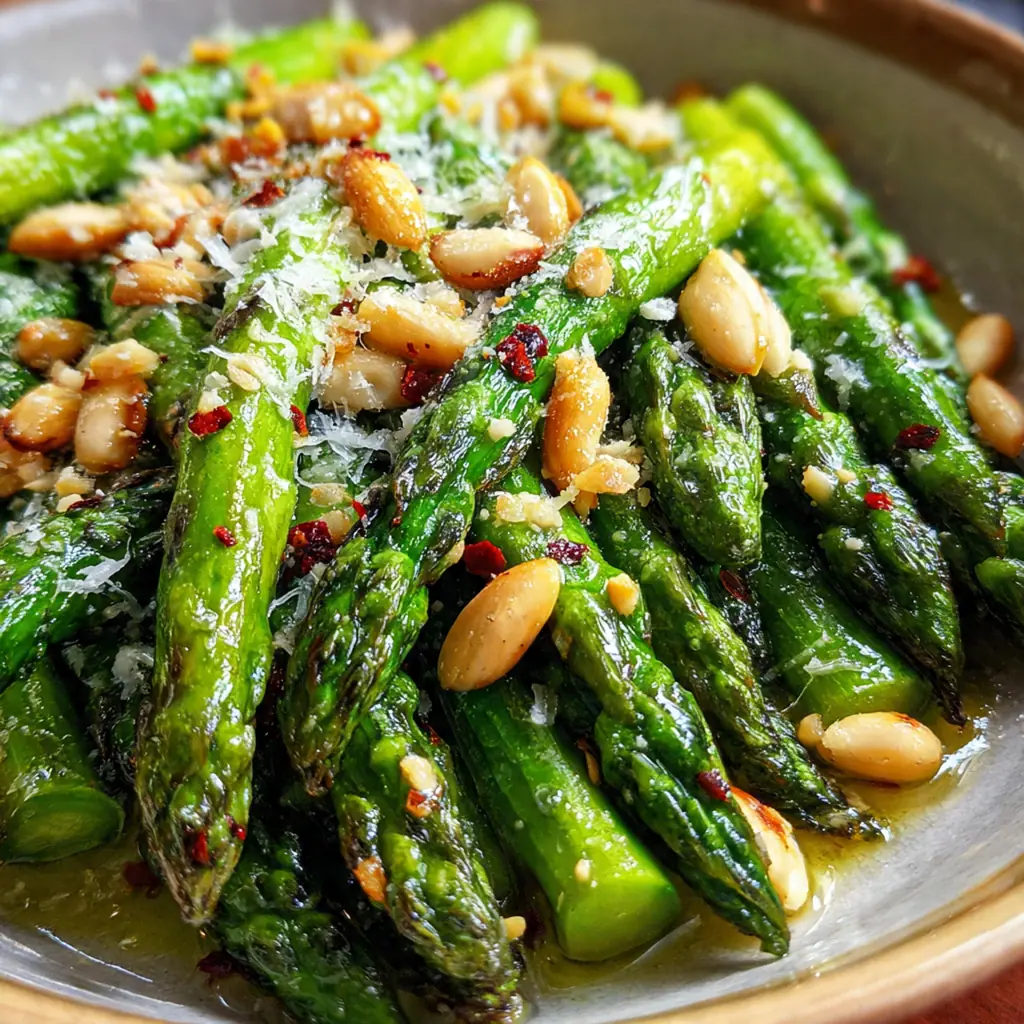
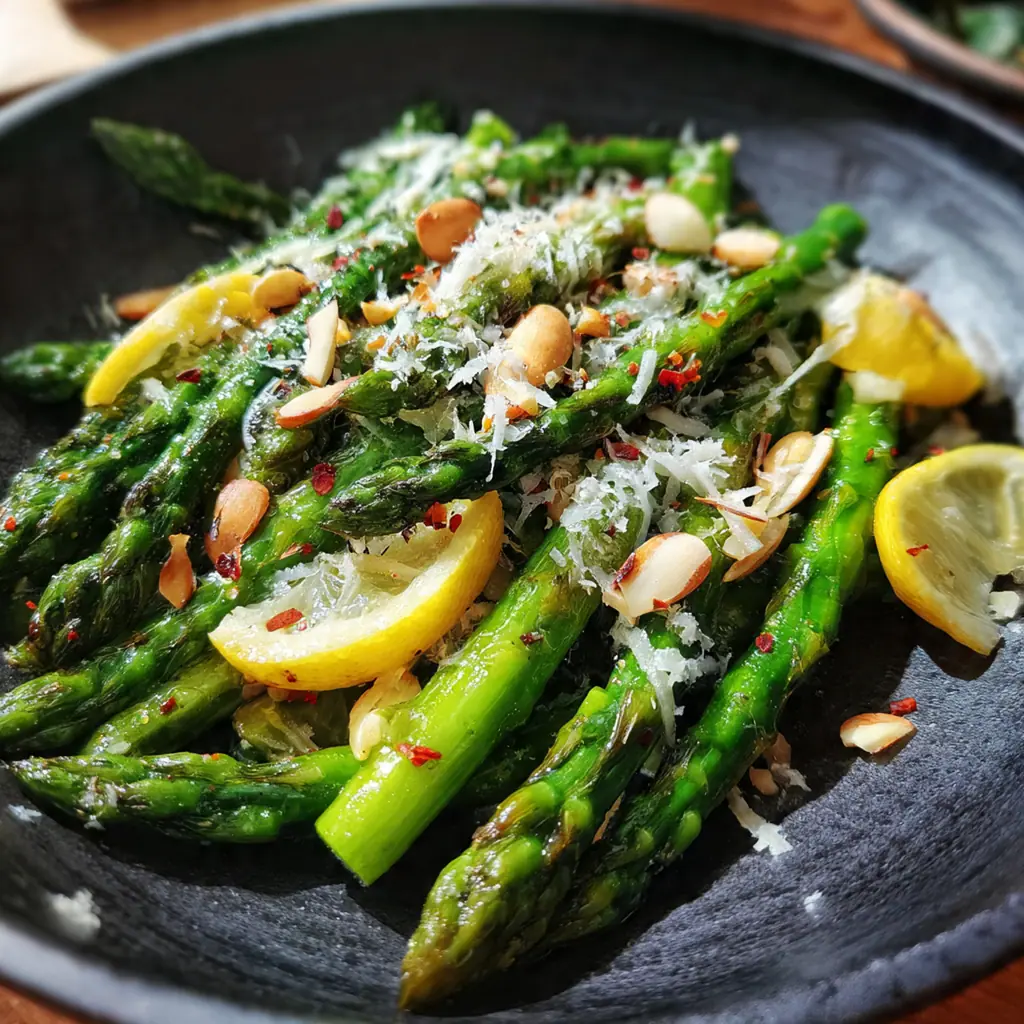
- Asparagus: Look for firm, bright green spears with tight purple-tinged tips for the best flavor and crisp-tender texture. Avoid any stalks that look wilted or woody.
- Vegetable broth: A good quality broth forms the flavor base so choose one you enjoy drinking on its own for a richer finished dish.
- Olive oil: A fruity extra virgin oil adds depth when sautéing the aromatics and toasting the rice at the beginning.
- Yellow onion: Finely chopped onion melts into the risotto, providing a sweet, savory foundation without any harsh bite.
- Garlic: Fresh minced garlic brings an essential aromatic punch that balances the dish’s richer, creamier elements.
- Arborio rice: This short-grain rice is key for the classic creamy texture because it releases starch slowly as you stir.
- Dry white wine: A splash of crisp wine deglazes the pan and adds a layer of bright acidity that cuts through the richness.
- Lemon: Fresh zest and juice are non-negotiable for that bright, sunny lift that makes this asparagus recipe truly sing.
- Parmesan cheese: Freshly grated cheese melts smoothly into the risotto, adding salty, nutty depth and extra creaminess.
- Unsalted butter: Stirred in at the end, butter creates a luxurious, glossy finish and rounds out all the sharp edges.
- Fresh parsley: Chopped fresh herbs add a final pop of color and a clean, grassy note that complements the asparagus.
- Salt and black pepper: Seasoning in layers builds complexity, so taste as you go and finish with a fresh crack of pepper.
How to Make It
Prep Your Ingredients:
Trimming the asparagus and chopping your onion and garlic before you start is the key to a smooth cooking process. Having everything ready means you can focus on the stirring rhythm once the rice is in the pan.
Simmer the Broth:
Pour your vegetable broth into a saucepan and bring it to a gentle simmer over medium heat, then turn it down to low. Keeping the broth warm means the rice cooks evenly and absorbs the liquid without shocking the grains.
Sauté the Aromatics:
Heat the olive oil in your large skillet or Dutch oven over medium heat, then add the chopped onion. Cook it slowly until it’s soft and translucent, which usually takes about five minutes, before stirring in the garlic for one more fragrant minute.
Toast the Rice:
Stir in the Arborio rice and let it toast for a couple of minutes, stirring almost constantly. You’ll notice the grains turning a little translucent around the edges and smelling nutty, which builds a deeper flavor base for your asparagus recipe.
Deglaze with Wine:
Pour in the white wine—it will sizzle and steam—and stir until the liquid is fully absorbed by the rice. This step cooks off the alcohol and leaves behind a wonderful acidic backbone that balances the dish.
Add Broth and Stir:
Begin adding the warm broth, one ladleful at a time, stirring frequently and waiting until most of the liquid is absorbed before adding the next. This slow addition is what coaxes the starch out of the rice to create that signature creamy texture.
Incorporate the Asparagus:
After about 15 minutes of adding broth, stir your asparagus pieces right into the risotto. Continue adding broth and stirring for another five to seven minutes until the rice is al dente and the asparagus is tender but still has a slight bite.
Finish with Lemon and Cheese:
Remove the pot from the heat and immediately stir in the lemon zest, lemon juice, grated Parmesan, butter, and chopped parsley. The residual heat will melt everything together into a glossy, cohesive dish—now is the time to taste and adjust salt and pepper.
Rest and Serve:
Let the risotto sit off the heat for about two minutes before serving; it will thicken slightly to the perfect creamy consistency. Dish it up right away into warm bowls for the best texture and flavor experience.
You Must Know
- Warm broth is non-negotiable for even, creamy cooking
- Stirring often releases the rice’s starches for that perfect texture
- Add the asparagus late to keep it crisp-tender and bright green
- The risotto waits for no one, so serve it immediately
- I never skip the fresh lemon zest at the end
Storage Tips
Risotto is famously best served straight from the pot, but if you have leftovers, let them cool to room temperature before transferring to an airtight container. They’ll keep in the fridge for up to two days. When you’re ready to eat, reheat gently in a saucepan over low heat with a generous splash of broth or water, stirring constantly until it’s warm and creamy again. The microwave tends to make the rice gummy, so I always opt for the stovetop method to restore that silky texture.
Ingredient Substitutions
If you’re out of dry white wine, you can use an equal amount of additional vegetable broth with a squeeze of fresh lemon juice to mimic the acidity. For a dairy-free version, swap the Parmesan for a hearty tablespoon of nutritional yeast and use a good olive oil or vegan butter in place of the regular butter. Don’t have Arborio rice? Carnaroli or Vialone Nano are excellent Italian substitutes, but avoid long-grain rice as it won’t create the same creaminess. In a pinch, thin asparagus spears or even fresh peas make a lovely spring swap for the standard asparagus in this recipe.
Serving Suggestions
I love serving this risotto as the star of the meal with just a simple arugula salad dressed in lemon vinaigrette and some warm, crusty bread for soaking up every last bit. For a heartier spread, it pairs beautifully with a simply grilled chicken breast or a piece of pan-seared white fish like halibut. If you’re hosting a spring gathering, start with a light appetizer like prosciutto-wrapped melon and finish with lemon sorbet for a perfectly balanced, seasonal menu that highlights this fantastic asparagus recipe.
Cultural Context
Risotto is a cornerstone of Northern Italian cuisine, specifically from the regions of Lombardy and Piedmont where rice paddies are plentiful. The technique of toasting the rice and slowly adding warm liquid while stirring, known as ‘la mantecatura,’ is designed to create a uniquely creamy dish without the need for heavy cream. This asparagus recipe is a modern, seasonal twist on the classic ‘risotto primavera,’ which celebrates the first vegetables of spring. It embodies the Italian philosophy of ‘cucina povera,’ turning humble, accessible ingredients into something deeply comforting and elegant through patience and care.
Pro Tips
- Never rinse Arborio rice—you need that surface starch for creaminess
- Taste a grain of rice as you cook to nail the perfect al dente texture
- Have all your finishing ingredients prepped and ready by the stove
- Freshly grated Parmesan melts much better than the pre-shredded kind
- Letting it rest for two minutes is the secret to the ideal consistency
Frequently Asked Questions
Medium-sized asparagus spears with firm stalks and tightly closed tips are ideal. Trim the tough ends and cut the spears into 1-inch pieces. For the best texture, add half the asparagus early to cook into the risotto and the other half near the end, so it stays bright green and crisp-tender.
Risotto is best served immediately, but you can prep ahead. Have your vegetable broth warm, and chop the onion, garlic, and asparagus in advance. The gradual addition of liquid while stirring is what creates the signature creamy texture, so finishing the final cook just before serving is recommended.
You can substitute the wine with an equal amount of extra vegetable broth or a splash of dry vermouth. The wine adds a touch of acidity that brightens the dish, so a squeeze of extra lemon juice at the end can help balance the flavors if you omit it.
The risotto is ready when the rice is al dente—tender but with a slight firmness at the center—and the mixture is creamy and loose, not stiff. It should take about 18-22 minutes of adding broth and stirring. It will continue to thicken slightly once you stir in the final butter and Parmesan.
This rich, creamy risotto is a complete Italian main course. For a light spring meal, pair it with a simple arugula salad dressed with lemon vinaigrette. A crisp, chilled glass of the same dry white wine used in cooking makes for a perfect pairing.