

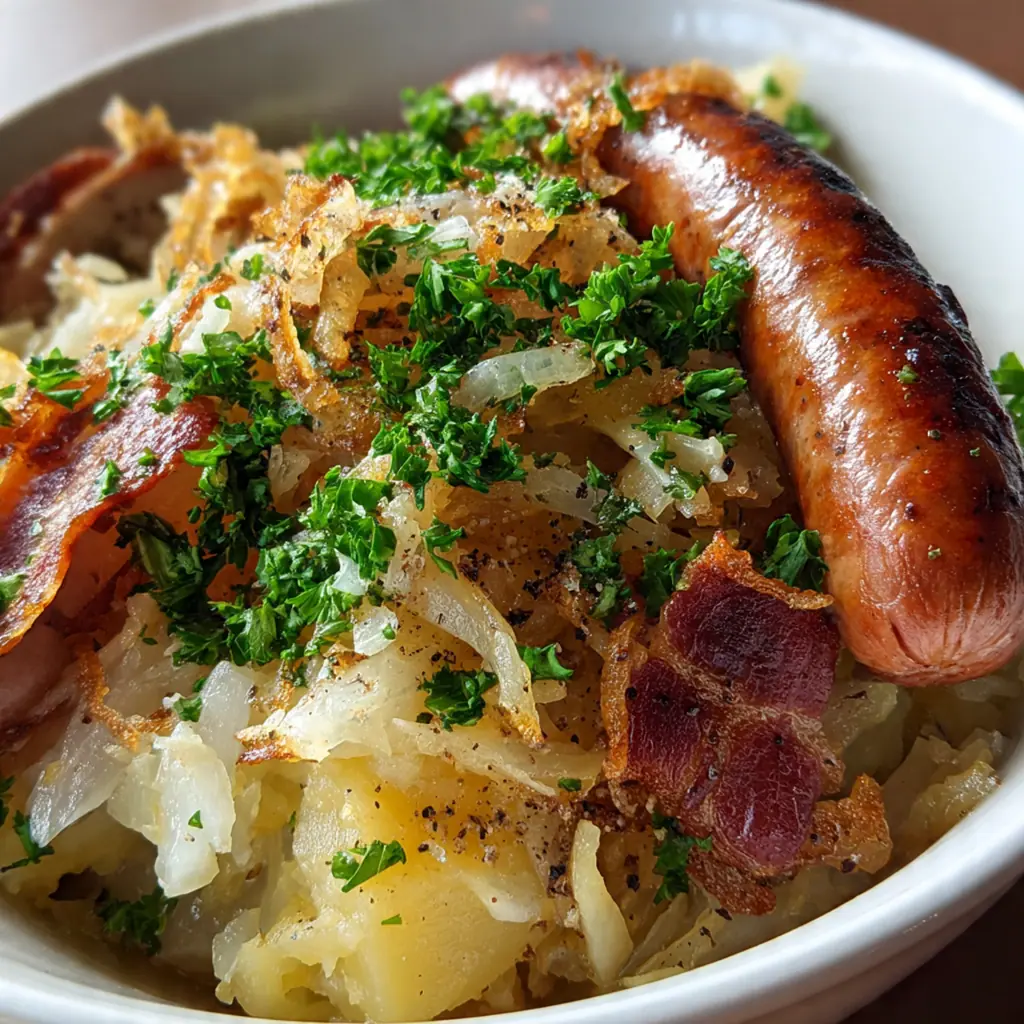
When you think of hearty and memorable German food, a classic Sauerbraten is likely the first dish that comes to mind. This pot roast is a labor of love that transforms a simple cut of beef into something spectacularly tender and complex through a patient, multi-day marinade. The real magic happens when the tangy braising liquid is finished with crushed gingersnaps, creating a rich gravy that perfectly balances sweet and sour. It’s the kind of Sunday dinner tradition that fills your home with incredible aromas and leaves everyone asking for seconds.
Why You'll Love This Recipe
- The marinade tenderizes the meat over days for unbelievable flavor
- A gravy thickened with gingersnaps is a uniquely delicious German trick
- Your house will smell incredible while it braises in the oven
- It’s a perfect make-ahead centerpiece for a crowd
- This recipe is the ultimate comfort food payoff
Ingredients You’ll Need
- Beef chuck or rump roast: This well-marbled, tougher cut becomes meltingly tender after the long braise, absorbing all the wonderful flavors of the marinade and transforming into the ultimate comfort food.
- Kosher salt and black pepper: These essentials season the meat from the inside out, building a foundation of flavor that carries through the entire multi-day process.
- Vegetable oil: A high smoke point oil is perfect for getting a deep, dark sear on the exterior of the roast without any risk of burning.
- Yellow onion, carrots, and celery: This classic mirepoix trio forms the aromatic base of the braise, softening and sweetening to build depth in the final gravy.
- Dry red wine: It adds fruity complexity and acidity to the marinade, breaking down the meat’s fibers, and choose a bottle you’d happily drink.
- Red wine vinegar: This is the key sour note that defines the dish, providing the sharp tang that balances the gravy’s sweetness.
- Beef broth: It deepens the savory, meaty backbone of the braising liquid, ensuring the final gravy is rich and satisfying.
- Whole black peppercorns, cloves, bay leaves, and juniper berries: These whole spices infuse the marinade with their subtle, warming notes over several days, never becoming overwhelming.
- Granulated sugar: A touch of sweetness is crucial to round out the sharp vinegar and create the classic sweet-sour profile.
- Gingersnap cookies: Finely crushed, they are the authentic German secret to thickening the gravy, adding a warm spice and velvety texture.
- Fresh parsley: A sprinkle of this fresh herb at the end brings a bright pop of color and a clean finish to the rich dish.
How to Make It
Start The Marination Process:
At least three days ahead, pat your roast dry and season it all over with salt and pepper. This initial seasoning penetrates the meat during its long soak. Place it in a large non-reactive container like a glass bowl or a sturdy zip-top bag.
Make and Cool the Marinade:
Combine the onion, wine, vinegar, broth, all the spices, and sugar in a saucepan. Bring it just to a boil, then take it off the heat immediately. You must let this mixture cool completely before pouring it over the meat to ensure food safety and proper marinating.
Marinate for Several Days:
Pour the cooled marinade over the seasoned roast, making sure the liquid covers it completely. Seal the bag or cover the bowl tightly, then refrigerate. Turn the meat once a day for three to five days; this patience is what builds the incredible flavor and tenderness.
Sear the Roast:
On cooking day, remove the roast from the fridge and strain the marinade, saving both the liquid and the solids. Pat the roast completely dry with fresh paper towels – this is the secret to a good sear. Heat oil in your Dutch oven and brown the meat deeply on all sides to develop a flavorful crust.
Build the Braising Base:
In the same pot, add the reserved onions and spices along with the fresh carrots and celery. Cook them for a few minutes until they just start to soften and become fragrant. This step wakes up all those marinated aromatics and starts building the sauce’s foundation.
Braise Until Fork-Tender:
Place the seared roast back on top of the vegetables and pour in the reserved marinade liquid. Bring it to a simmer on the stovetop, then cover tightly and transfer to a low oven. Let it braise gently for several hours until the meat is so tender it practically falls apart on its own.
Strain and Thicken the Gravy:
Carefully move the cooked roast to a board to rest and tent it with foil. Strain all the braising liquid into a bowl, pressing on the solids to get every last drop of flavor. Skim off the fat, then return the liquid to the pot and bring it to a simmer.
Finish with Gingersnaps:
Whisk the finely crushed gingersnap crumbs into the simmering liquid a little at a time. Let it cook for a few minutes, whisking often, until the gravy is smooth and has thickened to a luxurious, silky consistency. Give it a taste and adjust the seasoning if it needs it.
Slice and Serve:
Slice the rested roast against the grain or gently pull it apart with forks. Arrange it on a platter and ladle some of that incredible gingersnap gravy right over the top. Serve it immediately with the rest of the gravy on the side for everyone to add as they please.

You Must Know
- Don’t rush the marinating time – it’s essential
- Pat the roast bone-dry before searing for a proper crust
- The gingersnap gravy is a non-negotiable authentic finish
- Let the cooked meat rest before slicing
- It’s a project, but so worth the effort
Storage Tips
Store any leftovers in an airtight container in the fridge for up to four days, and you’ll find the flavors meld and deepen even more. The gravy will thicken when cold, so just reheat it gently in a saucepan with a splash of beef broth or water to bring it back to its perfect sauciness. You can also freeze the entire cooked dish for up to three months; thaw it overnight in the refrigerator before reheating it covered in a 300°F oven until warmed through.
Ingredient Substitutions
If you can’t find juniper berries, you can leave them out, though you’ll miss that subtle piney note that makes it truly authentic. For the red wine, a dry Pinot Noir or Merlot works beautifully, but you could use a full-bodied dry white wine or even all beef broth in a pinch. Don’t have gingersnaps? Lebkuchen or any plain, spiced cookie will work, or you can thicken the gravy with a cornstarch slurry at the end, though you’ll lose that signature flavor. A boneless beef pot roast or even venison makes a fantastic traditional alternative to chuck.
Serving Suggestions
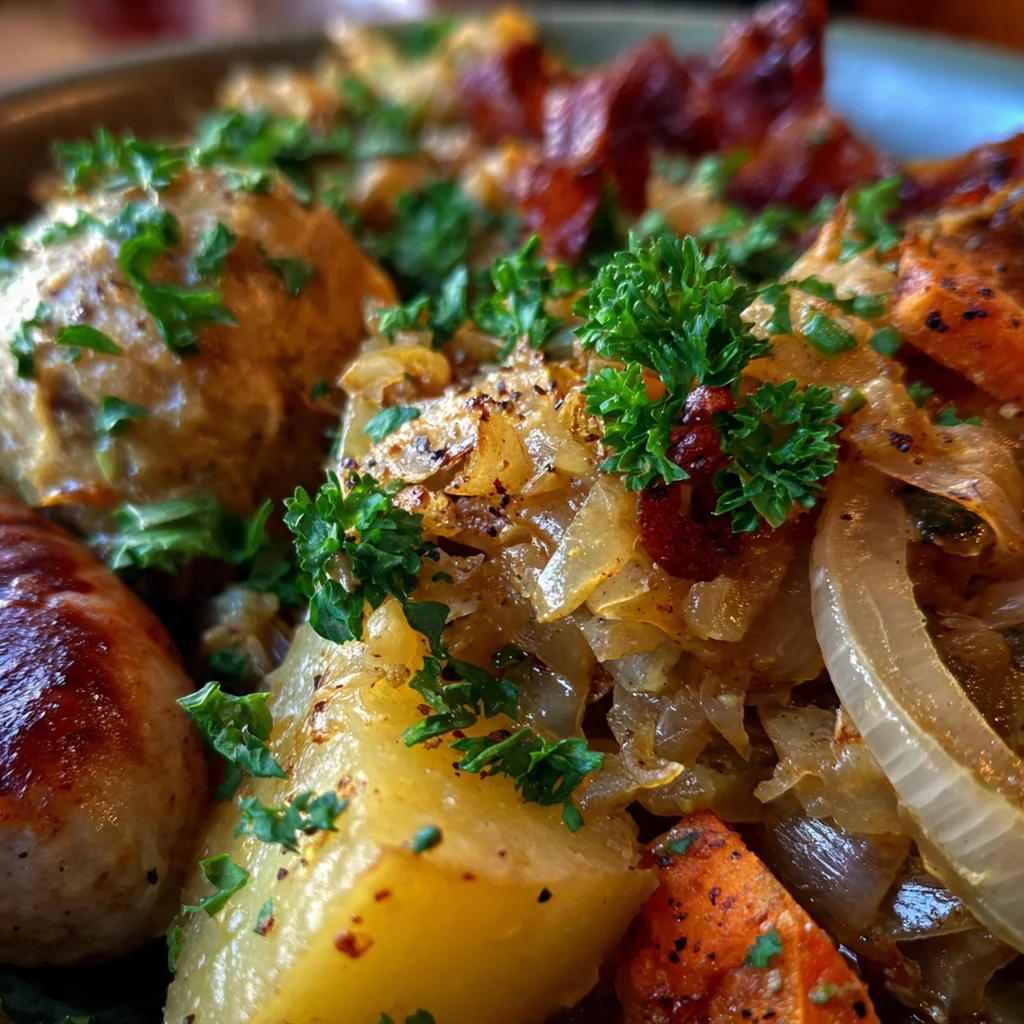
This hearty German food demands traditional sides to complete the experience. I always serve it over a bed of buttery spaetzle, fluffy mashed potatoes, or classic potato dumplings to soak up every drop of that incredible gravy. Braised red cabbage is the perfect accompaniment, its sweet and tangy flavor cutting beautifully through the rich meat. A simple side of buttered green beans or roasted carrots rounds everything out for a truly comforting and satisfying plate.
Cultural Context
Sauerbraten is considered one of the national dishes of Germany, with roots stretching back centuries as a practical method for preserving and tenderizing tougher cuts of meat. Every region, from the Rhineland to Bavaria, has its own slight variation in the marinade’s ingredients, often a point of friendly local rivalry. The use of gingerbread or crushed cookies to thicken the gravy is a brilliant historical technique, adding both body and a subtle spice that defines the dish. Serving it for Sunday family dinners or festive occasions like Christmas is a beloved tradition, representing the heart of German home cooking where patience and care create something extraordinary from humble ingredients.
Pro Tips
- Use a good quality wine you’d drink for the best flavor
- Lightly crush the juniper berries to release their oils
- If the gravy isn’t thick enough, use a cornstarch slurry
- Let the marinade cool completely before adding the meat
- I always make the full recipe for fantastic leftovers
Frequently Asked Questions
The recipe calls for beef chuck roast or rump roast. Chuck roast is ideal because it has great marbling, which breaks down during the long, slow braise, resulting in incredibly tender and flavorful German food. Rump roast is a leaner but still excellent option.
Absolutely! This German food, like many braised dishes, tastes even better the next day. Let it cool completely, then store the meat and gravy together in an airtight container in the refrigerator for up to 3 days. Reheat gently on the stovetop.
If you can’t find juniper berries, you can omit them, though they add an authentic note. For a similar piney, slightly citrusy flavor, you can add a small strip of orange peel or a tiny pinch of caraway seeds to the marinade instead.
The beef is ready when it’s fall-apart tender and easily shreds with a fork. This typically takes the full 3 hours of covered braising. The low and slow cooking is essential for breaking down the tough connective tissue in the roast.
Serve this rich German food with traditional sides to soak up the amazing gravy. Potato dumplings (Kartoffelklöße), spaetzle, or simple boiled potatoes are perfect. Add a side of braised red cabbage or a simple green salad for balance.