

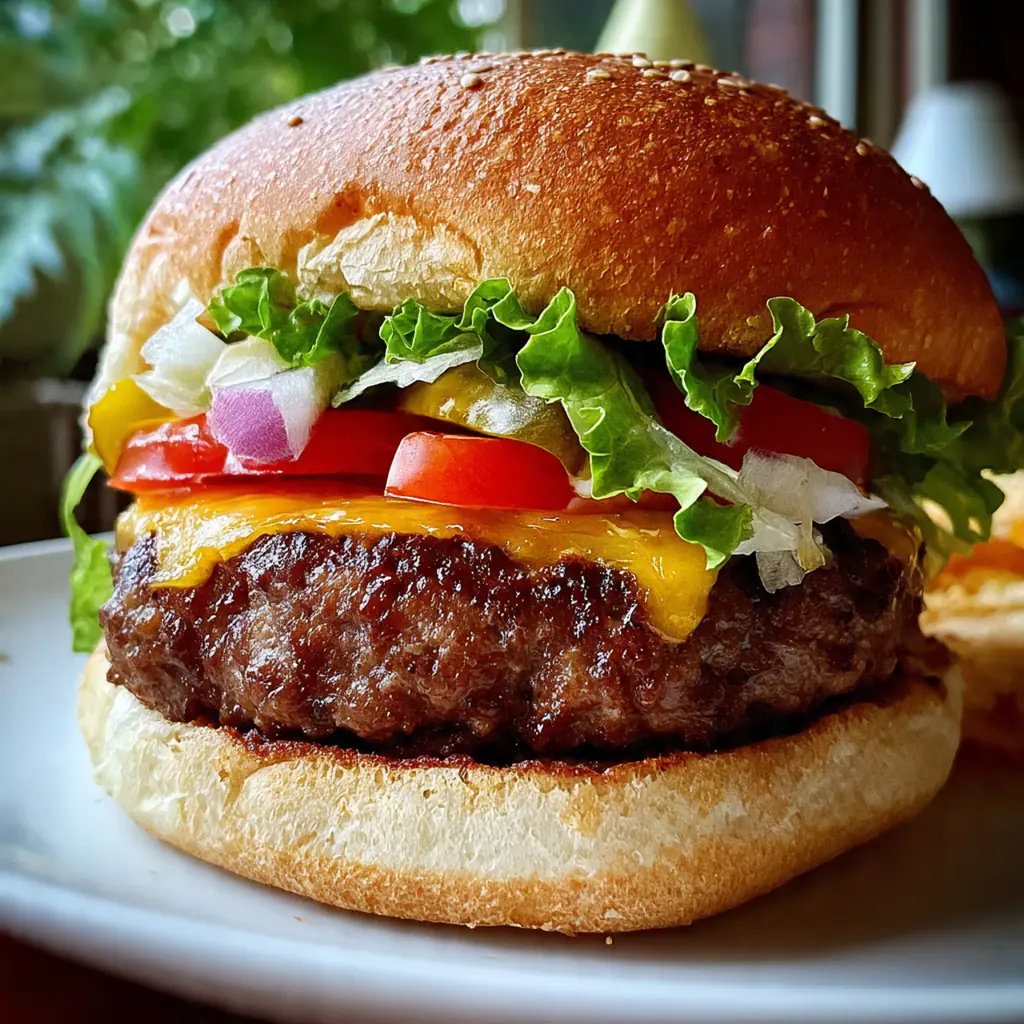
Mastering the perfect homemade hamburger patty is a culinary right of passage, transforming simple backyard cookouts into memorable meals. This classic American recipe focuses on technique and quality ingredients to guarantee a juicy, flavorful burger every single time. I learned the importance of the thumbprint trick from an old grill master, and it’s made all the difference in my burgers. Forget the dry, bland patties of your past; this method delivers the kind of burger you’ll crave.
Why You'll Love This Recipe
- You get an incredibly juicy and flavorful burger every single time
- It comes together quickly with ingredients you likely already have
- Easy to customize with your family’s favorite toppings and cheeses
- I make a double batch for the freezer for last-minute dinners
- This recipe will become your go-back burger foundation
Ingredients You’ll Need
- Ground beef (80/20): The 20% fat content is your secret weapon for a juicy, tender patty that doesn’t dry out on the grill or in the skillet, delivering that satisfying beefy flavor you’re after.
- Kosher salt: Its coarse grains season the meat more evenly than fine table salt, drawing out natural juices to create a better bind and a deeply seasoned burger throughout.
- Freshly ground black pepper: Freshly cracked pepper provides a warm, aromatic bite that pre-ground pepper just can’t match, adding a classic layer of spice.
- Yellow onion: Finely grating the onion releases its sweet juices directly into the meat mixture, keeping the patty moist and infusing it with subtle flavor without leaving crunchy bits.
- Garlic: Minced fresh garlic adds a savory, aromatic foundation that complements the beef perfectly, creating a more complex flavor profile.
- Worcestershire sauce: This umami-packed sauce is a flavor powerhouse, adding depth and a slight tang that enhances the meat’s natural savoriness.
- Large egg: The egg acts as a binder, helping to hold all the wonderful ingredients together without making the patty dense, ensuring it stays intact during cooking.
- Plain breadcrumbs: They absorb and retain the meat’s juices and the moisture from the onion, preventing the patty from becoming too wet and helping to create a tender texture.
- Dijon mustard: While optional, a spoonful adds a lovely, subtle sharpness and complexity that cuts through the richness of the beef beautifully.
How to Make It
Combine Your Ingredients:
Grab your large mixing bowl and add the ground beef, salt, pepper, grated onion, garlic, Worcestershire sauce, egg, breadcrumbs, and that optional Dijon. The key here is to use your hands for the gentlest mixing. You just want everything incorporated, not mashed into a paste, to keep the texture light.
Mix Gently:
With clean hands, lightly fold and turn the mixture until you no longer see streaks of egg or breadcrumbs. This should take less than a minute. Overworking the meat is the number one mistake that leads to tough, dense burgers, so stop as soon as it’s combined.
Form the Patties:
Divide the mixture into four equal portions. Gently shape each one into a loose ball, then flatten it into a disc about three-quarters of an inch thick. This thickness ensures a juicy interior while allowing the outside to develop a beautiful crust.
Create the Thumbprint:
Now for the pro move. Use your thumb or the back of a spoon to press a slight indentation into the center of each patty. This little well prevents the burger from puffing up into a ball in the middle as the proteins contract during cooking, giving you an even patty perfect for toppings.
Preheat and Cook:
Get your grill or a heavy cast-iron skillet screaming hot over medium-high heat. If you’re using a skillet, a tablespoon of oil will prevent sticking. Carefully place your patties on the hot surface and let them sear undisturbed for 4 to 5 minutes to build that essential crust.
Flip and Finish Cooking:
Use a sturdy spatula to flip each hamburger patty. Cook for another 4 to 5 minutes on the second side. For a perfect medium, you’re aiming for an internal temperature of about 160°F. If you’re adding cheese, lay a slice on during the last minute and cover briefly to melt.
Rest the Patties:
This step is non-negotiable. Transfer your beautiful burgers to a clean plate and let them sit for a full 5 minutes. Resting allows the hot juices, which have rushed to the center, to redistribute evenly throughout the patty. If you skip this, those juices will just run out onto your plate.
Toast and Assemble:
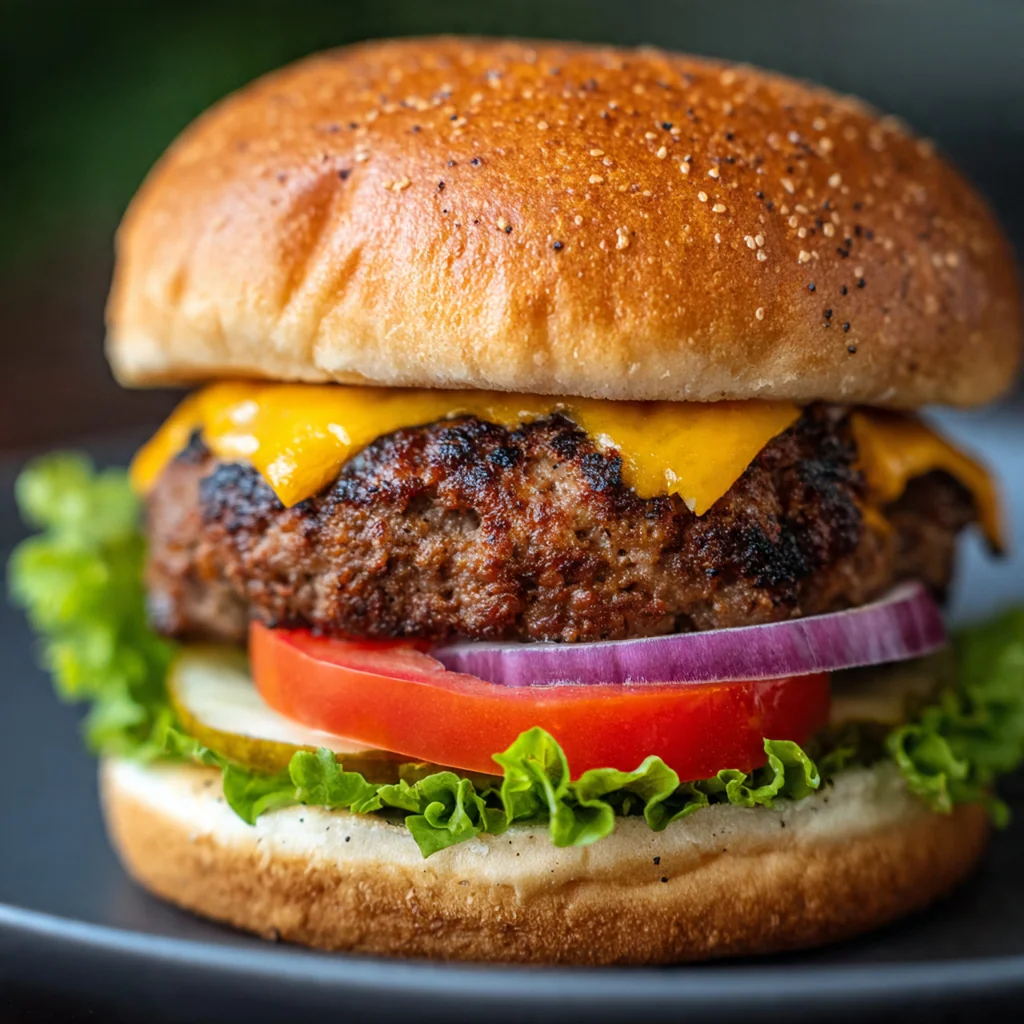
While the patties rest, lightly toast your buns on the grill or in a toaster for a bit of crunch and warmth. Then, build your masterpiece. Start with lettuce on the bottom bun to create a moisture barrier, add the rested patty, and pile on your favorite toppings and condiments.
You Must Know
- The 80/20 fat ratio is crucial for juicy results
- Handle the meat mixture as little as possible
- That thumbprint indentation stops burger bulge
- Always let your cooked patties rest before serving
- My family insists on the Dijon mustard addition
Storage Tips
For leftover cooked patties, let them cool completely before storing them in an airtight container in the fridge where they’ll keep for up to three days. Reheat them gently in a skillet over low heat or for short bursts in the microwave to avoid overcooking. To freeze uncooked patties, separate them with parchment paper, wrap the stack tightly in plastic wrap, and pop them in a freezer bag for up to three months—just thaw in the fridge overnight before cooking.
Ingredient Substitutions
If you’re out of fresh onions, a teaspoon of onion powder can work in a pinch, though you’ll miss the moisture from the grated onion. Gluten-free breadcrumbs or even crushed gluten-free crackers are a perfect swap to keep the recipe celiac-friendly. For the egg, a tablespoon of mayonnaise can sometimes work as a binder, but the texture might be slightly richer. While American or cheddar are classic, feel free to experiment with pepper jack for a kick or Swiss for a nutty flavor. No Worcestershire? A splash of soy sauce mixed with a dash of vinegar can mimic some of that savory depth.
Serving Suggestions
Beyond the classic bun, try serving your juicy hamburger patty on a sturdy pretzel roll or even between two slices of toasted sourdough for a change. For a low-carb option, wrap it in crisp lettuce leaves with all the fixings. Round out the meal with classic steak fries, a tangy vinegar-based coleslaw, or a simple pasta salad. On lighter nights, a side of sweet potato wedges or a big green salad with a creamy dressing balances the hearty burger perfectly.
Cultural Context
The hamburger is a quintessential American food icon, with its origins debated but its place in backyard culture firmly cemented by the mid-20th century. This particular hamburger patty recipe embodies the classic approach—enhancing high-quality beef with simple, savory seasonings rather than masking it. It’s the kind of burger you’d find at a cherished local diner or a family reunion cookout, where the focus is on communal joy and honest, satisfying flavor. Getting this foundation right is about more than just dinner; it’s about mastering a piece of culinary tradition.
Pro Tips
- Bring your meat to room temp for 10 minutes before mixing
- Use a light touch when forming the patties
- Don’t press down on them with your spatula while cooking
- A meat thermometer guarantees your preferred doneness every time
- I always toast the buns—it’s a game changer
Frequently Asked Questions
For the juiciest hamburger patty, use an 80/20 lean-to-fat ratio. The 20% fat content is essential for flavor and moisture, preventing your burger from drying out on the grill or in the pan. Leaner blends will result in a drier, less flavorful patty.
Yes, you can form the patties a day in advance. Just place them on a baking sheet, cover tightly with plastic wrap, and store in the refrigerator. For best results, let them sit at room temperature for about 15-20 minutes before cooking to ensure even cooking.
If you’re out of Worcestershire, you can use a tablespoon of soy sauce mixed with a teaspoon of apple cider vinegar or lemon juice. This will mimic the savory, umami, and slightly tangy notes that Worcestershire adds to your hamburger patty.
The best way is to use an instant-read thermometer. For a medium burger, aim for 160°F (71°C) internal temperature. Visually, juices will run clear, and the patty will be firm to the touch. Avoid pressing down with your spatula, as that releases precious juices.
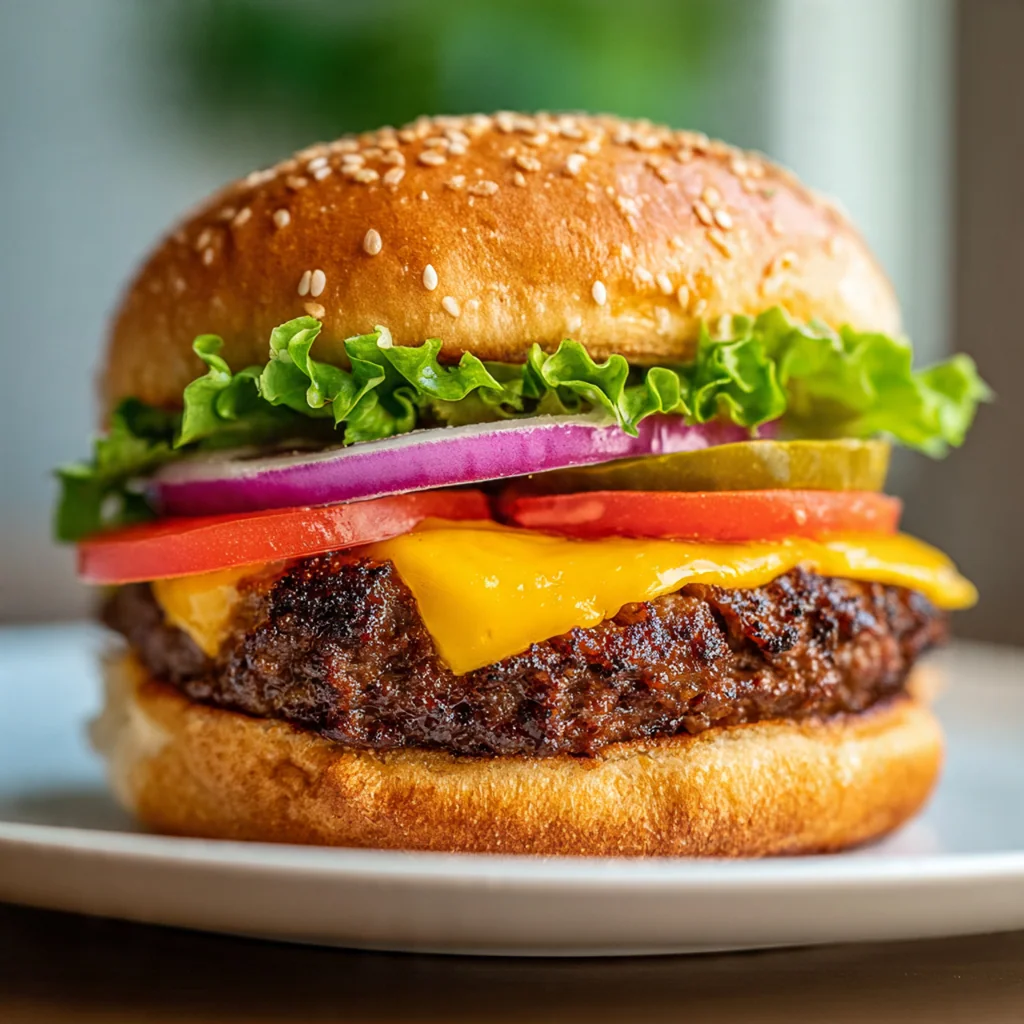
Serve your classic American hamburger patty on a toasted bun with lettuce, tomato, onion, pickles, and your favorite condiments. For sides, think classic cookout fare: potato salad, coleslaw, baked beans, corn on the cob, or crispy french fries.